
Written by Emily Satterthwaite
Silence can be utilized as a force for change and progress. Until May 31, the Visu Contemporary Gallery in Miami Beach presents My Silence Is Made of Explosions, an exhibition that celebrates the connection between surrealism, womanhood and the human condition. By thinking of vision as a form of rebellion, this collection of photographs makes a case for the connection between art and politics.

Jen DeNike, Mirror Levitation, Vision 1, 2022. Archival print on watercolor paper in artist frame, 62 x 42 in. (framed). Unique with 1 AP. | © Jen DeNike, Courtesy of the artist and Central Fine
In the photographs of Zanele Muholi, Pixy Liao, Aïda Muluneh, Jen DeNike, and Barbara von Portatius, silence emerges not only as an interior condition but as a social and political force. Across these works, silence is shaped by visibility, performance, and the dynamics of power – what is seen or withheld, but also who is allowed to speak.
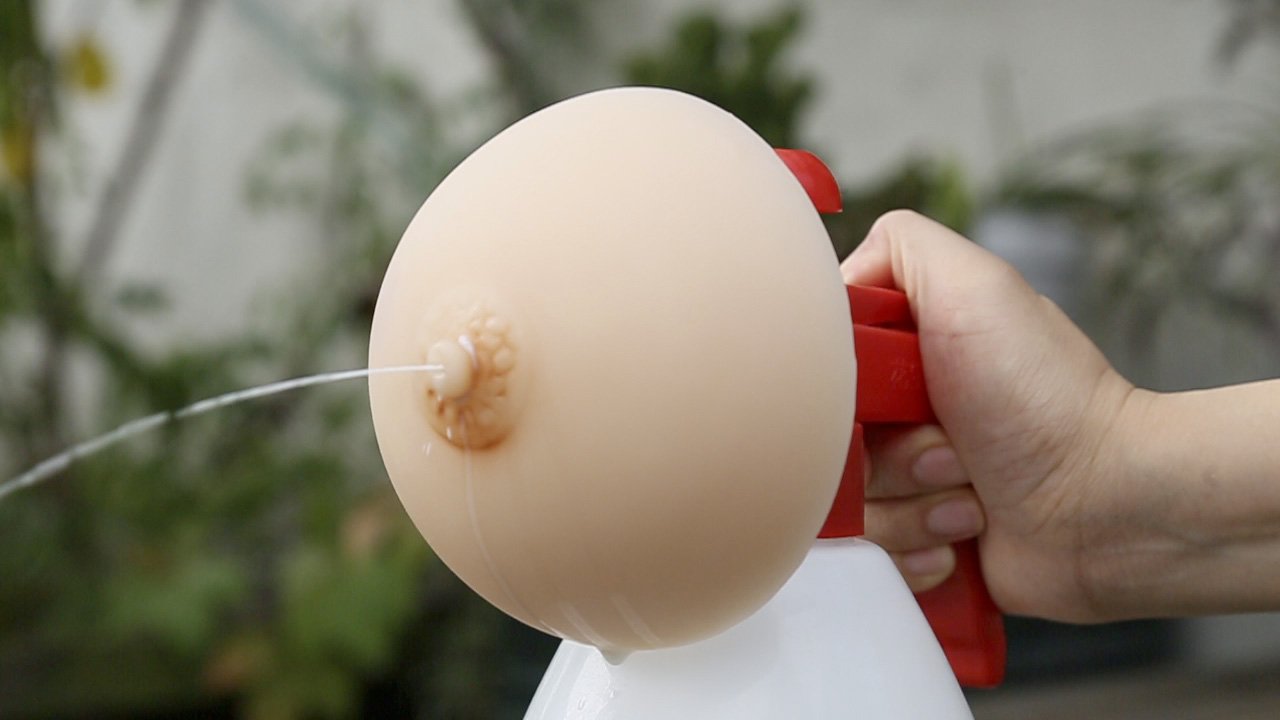
Pixy Liao, Breast Spray, 2015. Video, 2:01 minutes. Edition of 5. | © Pixy Liao, Courtesy of the artist and Alisan Fine Arts, New York
For Muholi, silence is inseparable from resistance and visibility. Their portraits confront histories of erasure, specifically within Black LGBTQ+ communities in South Africa. Each image feels declarative, becoming pieces of representation as the artist aims to counteract the negative stigma surrounding queer identity in African society. Pixy Liao, on the other hand, confronts silence through intimacy and play. She stages her photographs to subvert traditional gender roles in an absurd manner. Humor and role reversals destabilize expectations, opening space for alternative narratives.

Aïda Muluneh, The Sorrows We Bear, 2018. Archival pigment print, 31.5 x 31.5 in. Edition of 7. | © Aïda Muluneh, Courtesy of the artist and David Krut Gallery, New York
Muluneh’s bold color use and visually striking compositions make her images hard to look away from. The viewer is left to construct their own meaning from these almost theatrical scenes. Jen DeNike and Barbara von Portatius also use color in their collaborative pieces. These collages hold much ambiguity. From human bodies being obscured by iridescent surfaces to images of female statues being cut and glued together, it leaves the question of what it means to be represented as a woman in society.
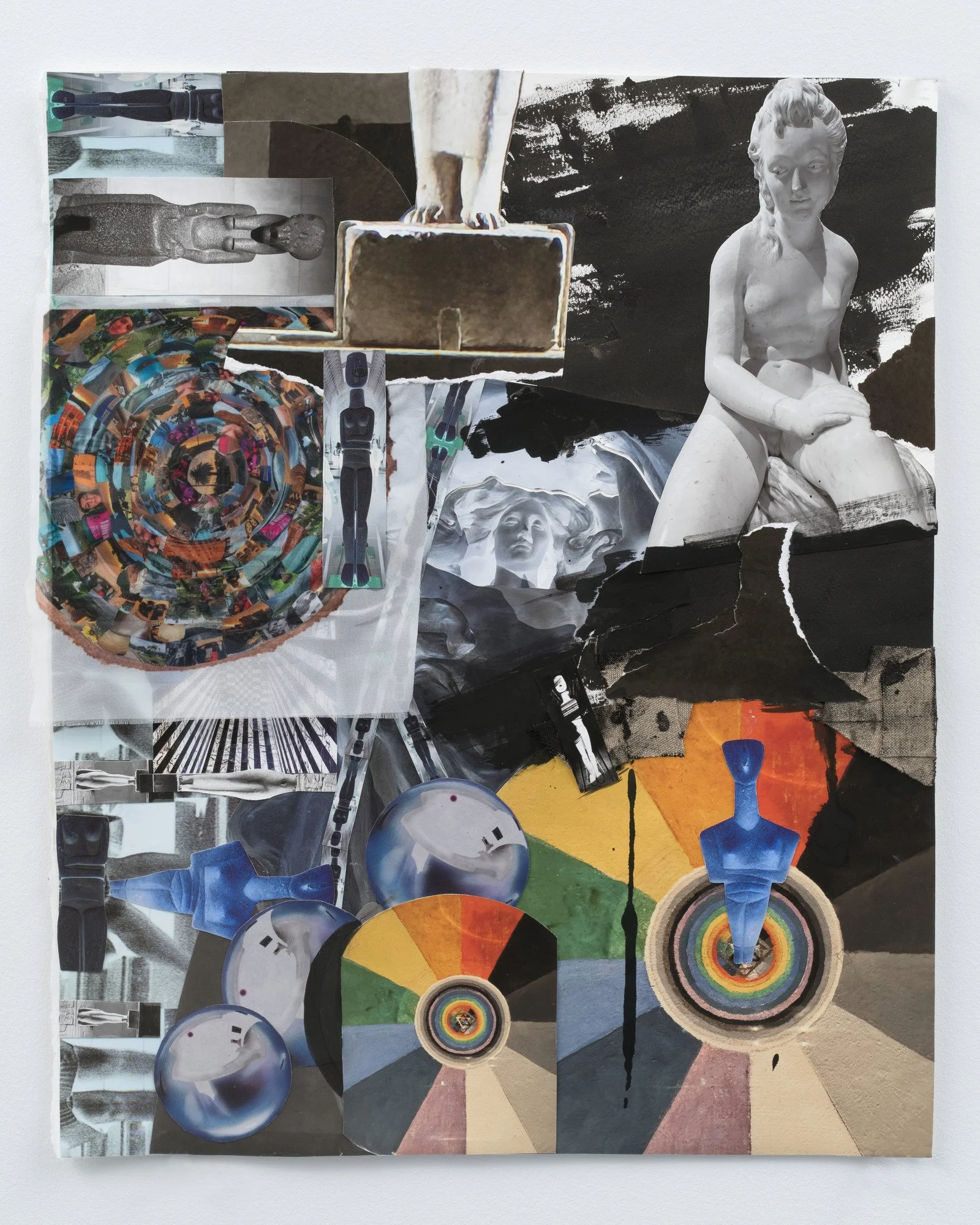
Jen DeNike and Barbara von Portatius, Sun and Moon Act II, No. 12, 2026. Collaged pigment prints, acrylic paint, ink, graphite, and paper in custom maple artist frame, 25 x 21.25 x 2 in. Unique. | © Jen DeNike and Barbara von Portatius, Courtesy of the artists and House of Tyres, New York
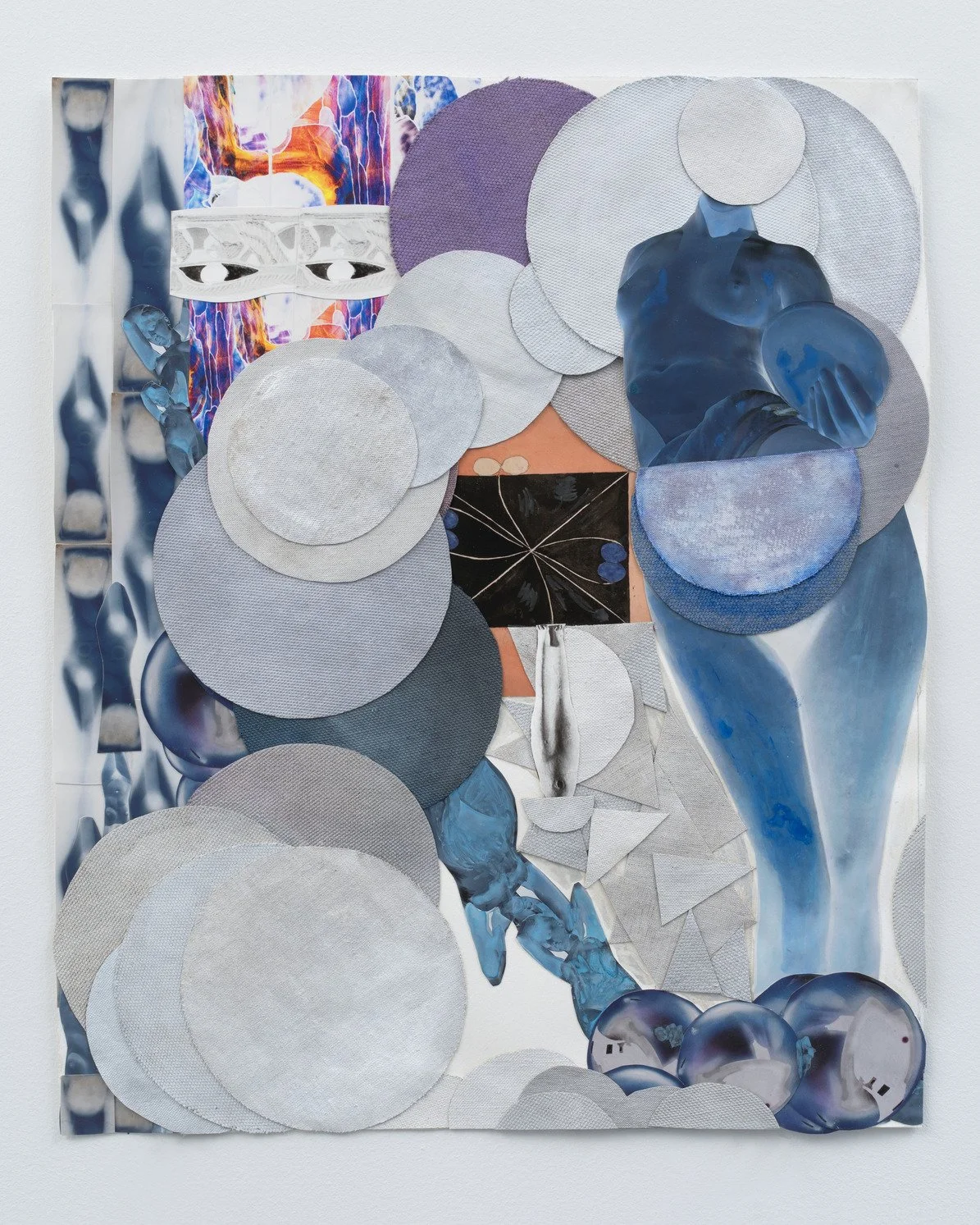
Jen DeNike and Barbara von Portatius, Sun and Moon Act I, No. 2, 2026. Collaged pigment prints, acrylic paint, ink, graphite, and paper in custom maple artist frame, 25 x 21.25 x 2 in. Unique. | © Jen DeNike and Barbara von Portatius, Courtesy of the artists and House of Tyres, New York
Together, these artists expand the exhibition’s exploration of silence. It becomes a site of negotiation: between visibility and invisibility, conformity and resistance. The “explosion” here is not always disruptive in appearance. However, it is still transformative in effect. Surrealist art doesn’t ask to be rationally understood. In the same vein, women don’t need to be understood or placed within boxes either. They can exist unbounded, just as these photographs do.
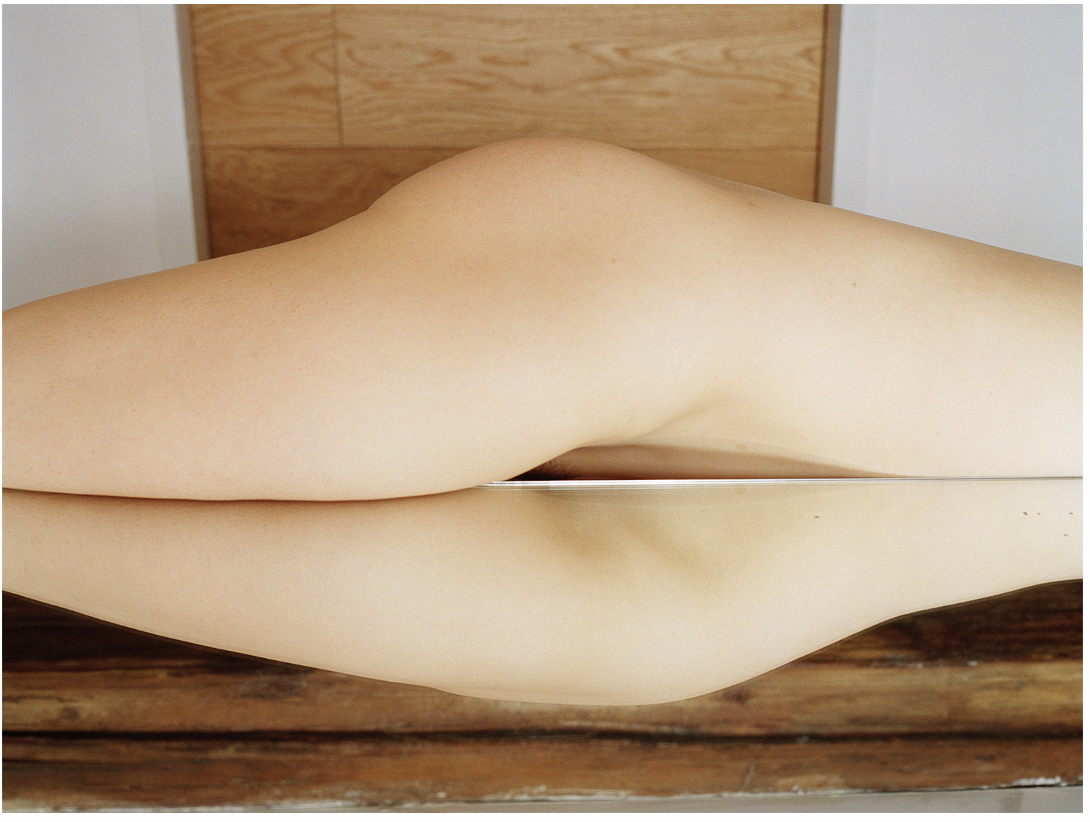
Pixy Liao, Mirror Play, 2019. Digital C-print, 15 x 20 in. | © Pixy Liao, Courtesy of the artist and Alisan Fine Arts, New York


